
Seventeen students and two-hundredths of an acre.
Bangladesh University began its journey in 2001 with 17 students and a modest space of 0.02 acres, established under the Private University Act, 1992.
It was founded by the late Quazi Azher Ali, a philanthropist whose mission was to provide higher education to all, and particularly to poor students facing financial constraints. He served as the university’s first Vice-Chancellor from 2001 to 2009, and accepted a salary of Taka one per month to help the new non-commercial institution through its initial financial difficulties.
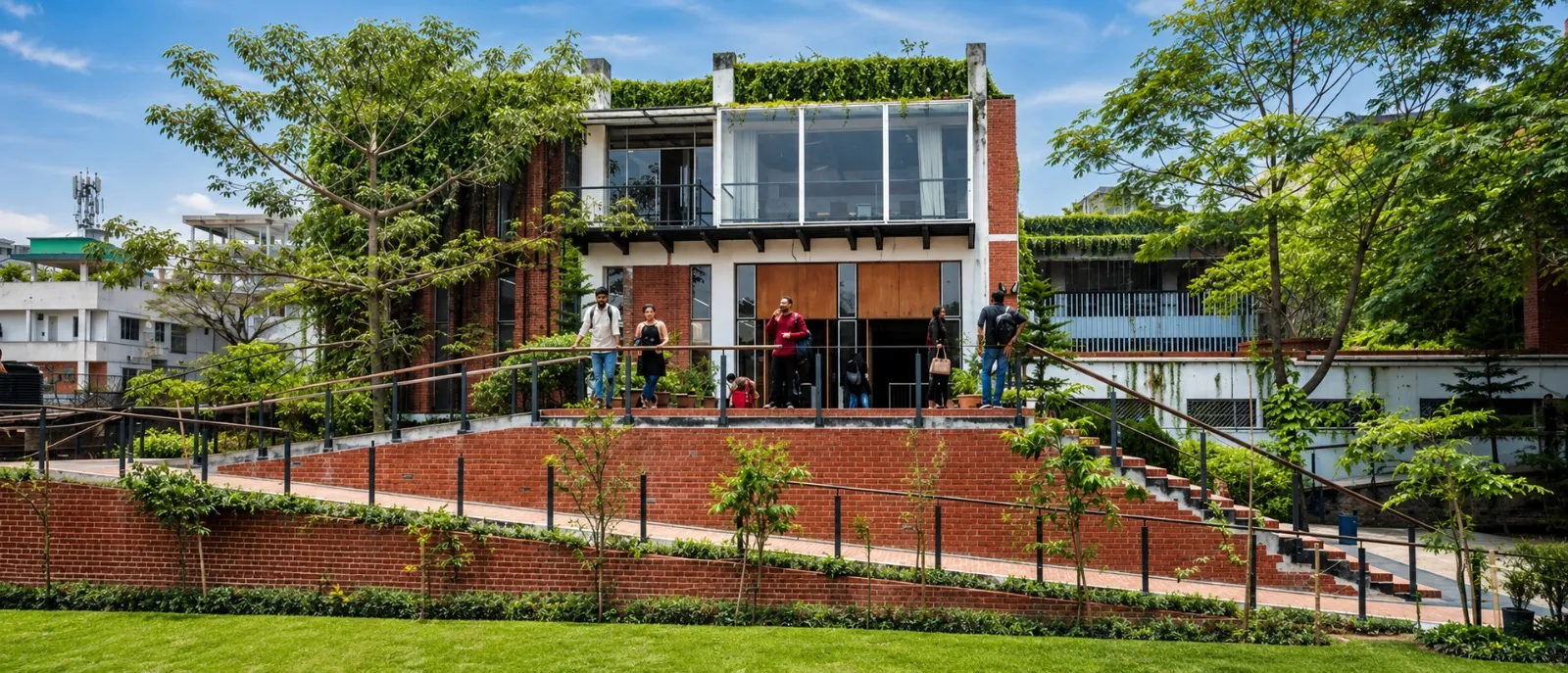
The university pioneered computer-based education in the country. It has since grown to 5,784 students across three campuses, with 127 full-time and 27 part-time faculty members and 101 administrative staff. The permanent campus in Mohammadpur, Dhaka spans 1.7026 acres.
Milestones
Founded under the Private University Act 1992 with 17 students on 0.02 acres.
Founder Vice-Chancellor Quazi Azher Ali completes eight years of service.
Brig. Gen. Md. Mahbubul Haque (Retd.) joins as Registrar in January.
The Department of Architecture earns IAB accreditation in November.
Professor Dr. Md. Jahangir Alam joins as Vice-Chancellor on 6 April.
arch.BU presents 3 of 24 papers selected at Bangladesh ArchSummit 2026.
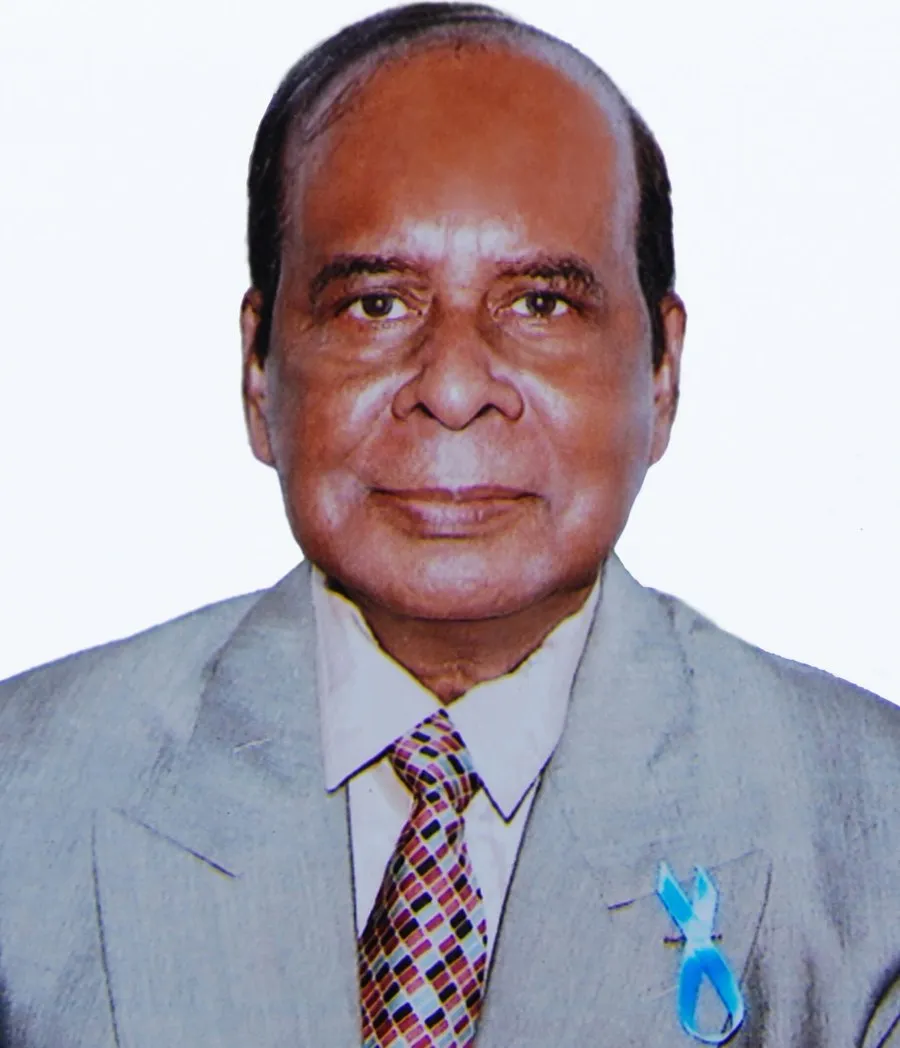
Quazi Azher Ali
Born in 1931 in Syed Mohalla village, Bagerhat, he completed his Honours and Master’s at the University of Dhaka, began teaching in 1956, and later earned Master’s degrees from the University of Cambridge and Harvard University.
He joined the Civil Service of Pakistan in 1958 and went on to serve as Secretary to six ministries, Member of the Planning Commission, Director General of BARD, and chair of the Chittagong and Rajshahi Development Authorities. Internationally, he represented Bangladesh as a Director of the Asian Development Bank.
He founded the Bangladesh Institute of Administration and Management (BIAM) and Mohammadpur Preparatory High School, which he chaired for 35 years, and established institutions across Chittagong, Bogura, Rangpur, Narayanganj, Pabna, Gaibandha, Madaripur and Bagerhat. His autobiography Tinkal is one of 36 books he published in Bangla and English.
To develop and nurture talent with modern knowledge to meet national needs in a global perspective — ensuring a knowledge-based society, meeting the challenges of the 21st century, and generating capable and ethical leaders who will lead the nation and the globe.
To ensure quality higher education at a minimum cost, especially for the financially backward group of people; to expand information technology to help build a digital Bangladesh; and through co-curricular activities, to create a patriotic community that serves the nation and humanity.
Leadership
The President of the People’s Republic of Bangladesh serves as Chancellor, a standard practice for private universities in the country.
Approved by the University Grants Commission (UGC) of Bangladesh and by the Government of Bangladesh for awarding degrees in various disciplines. The Department of Architecture earned accreditation from the Institute of Architects Bangladesh (IAB) in November 2023. An Institutional Quality Assurance Cell (IQAC) oversees academic quality.
Past Vice-Chancellors include Anwarul Haque Sharif, Mesbah Kamal and Syed Humayun Akhter.